Your Cart is Empty

Losing power is unsettling at any time of year, but especially in freezing weather. Most households lean on electric heating day to day, so what happens once the lines go down? That's where an alternative heat source, like a Martin Propane Heater or natural gas heater, earns its keep. Martin Heaters are built to provide heat without any electrical dependency at all. Here's exactly how that works.

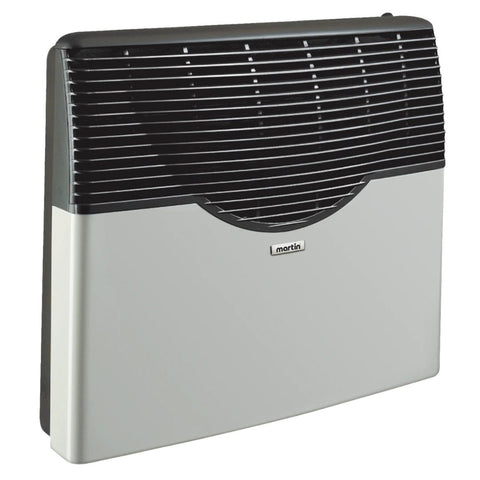
Martin Heaters are direct-vent appliances available in both propane and natural gas models. Running on combustible gas rather than grid power means they keep working independent of the electrical grid. Here's how they manage to heat a room with no electricity involved:
|  |

Propane and natural gas make strong fuel choices for a backup heater, for a few specific reasons:
No electricity requirement means a Martin Heater keeps running through a power outage, when you need it most.
Propane and natural gas deliver strong heat output per unit of fuel, which keeps running costs reasonable, and both are easy to resupply.
Martin's direct-vent heaters include an oxygen depletion sensor and overheat protection. A separate standalone CO detector elsewhere in the home is still good practice alongside these.
A few other options exist for backup heat, each with real trade-offs:
 Wood Burning Stoves
 Genuinely effective and electricity-free, but they require a steady wood supply and regular maintenance for safe operation.
 Pellet Stoves
 More automated than a wood stove, but the auger and fan run on electricity, which limits how useful one is during the exact kind of outage this article is about, unless paired with a battery backup.
 Kerosene Heaters
 Portable and capable of significant heat output, but they need proper ventilation and active monitoring to prevent carbon monoxide buildup.
To get the most out of a Martin Heater, or any heating system, minimizing heat loss matters just as much as the heater itself:
Martin propane heaters use piezo ignition, similar in concept to the spark igniter on a gas stove. A small mechanical spark lights the burner, no electricity involved at any point.
| Pressing a lever or button, depending on the model, generates the spark that ignites the propane and starts the heating process. The advantages are straightforward:
|  |
No. Piezo ignition lights the burner mechanically, and the heater's thermostat runs on a self-powered millivolt circuit. There's no electrical connection required anywhere in the system.
No. The heater includes an oxygen depletion sensor and overheat protection as part of its sealed direct-vent design, but a CO detector is a separate device you install elsewhere in the home. It's still worth having alongside any fuel-burning appliance.
Not on their own. Most pellet stoves need electricity to run the auger that feeds fuel and the fan that distributes heat, which defeats the purpose during an actual outage unless you have a battery backup for the stove itself.
Running on propane or natural gas, Martin Heaters offer a reliable, efficient way to heat a room with zero electrical dependency, which makes them a genuinely useful part of your home's heating setup for emergency situations. Now that you know how the system works, a few simple heat-retention steps can help your home stay warm through even the coldest outage.
Whether you're preparing for the next outage or just looking for a dependable alternative heat source, a Martin Heater keeps your home warm without relying on the grid.

Have any questions or would like to place an order? We'd love to help. Chat with our friendly customer service team by calling 1-844-945-3625, chatting in on our website, or emailing us at customersupport@wildoaktrail.com. We look forward to hearing from you!

Comments will be approved before showing up.