Your Cart is Empty

When temperatures drop, a direct-vent propane heater is hard to beat. Like a fireplace, propane heaters don't need electricity to produce heat. The Martin Propane Heater line is a popular choice for warming a home without relying on the grid.
If you're considering a Martin propane heater, you're probably curious how much fuel it actually uses. Here's a breakdown of typical propane consumption, what affects it, and how to plan your fuel supply for the season.
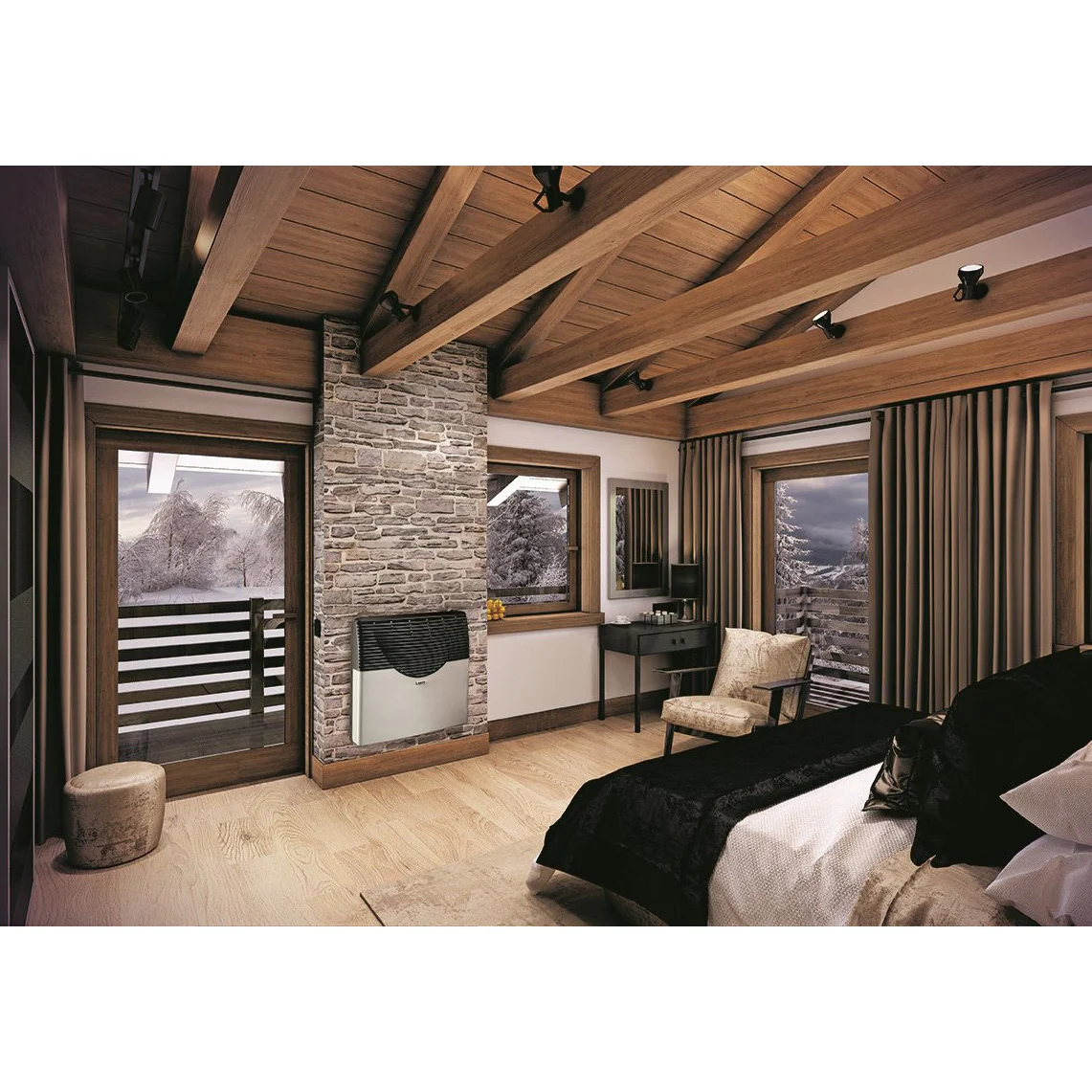
The amount of propane a direct-vent wall heater uses depends on a few factors:
Propane contains approximately 91,500 BTU of energy per gallon. At full, continuous output, here's what each Martin model burns per hour:
| Model | BTU Rating | Propane Use at Full Output |
|---|---|---|
| MDV8P | 8,000 BTU | Approximately 0.09 gallons per hour |
| MDV12VP | 11,000 BTU | Approximately 0.12 gallons per hour |
| MDV20VP | 20,000 BTU | Approximately 0.22 gallons per hour |
These figures assume the heater is running flat-out, nonstop. In practice, once a room reaches the thermostat's setpoint, the burner cycles down or shuts off until heat is needed again, so actual daily consumption is typically well below these full-output numbers.
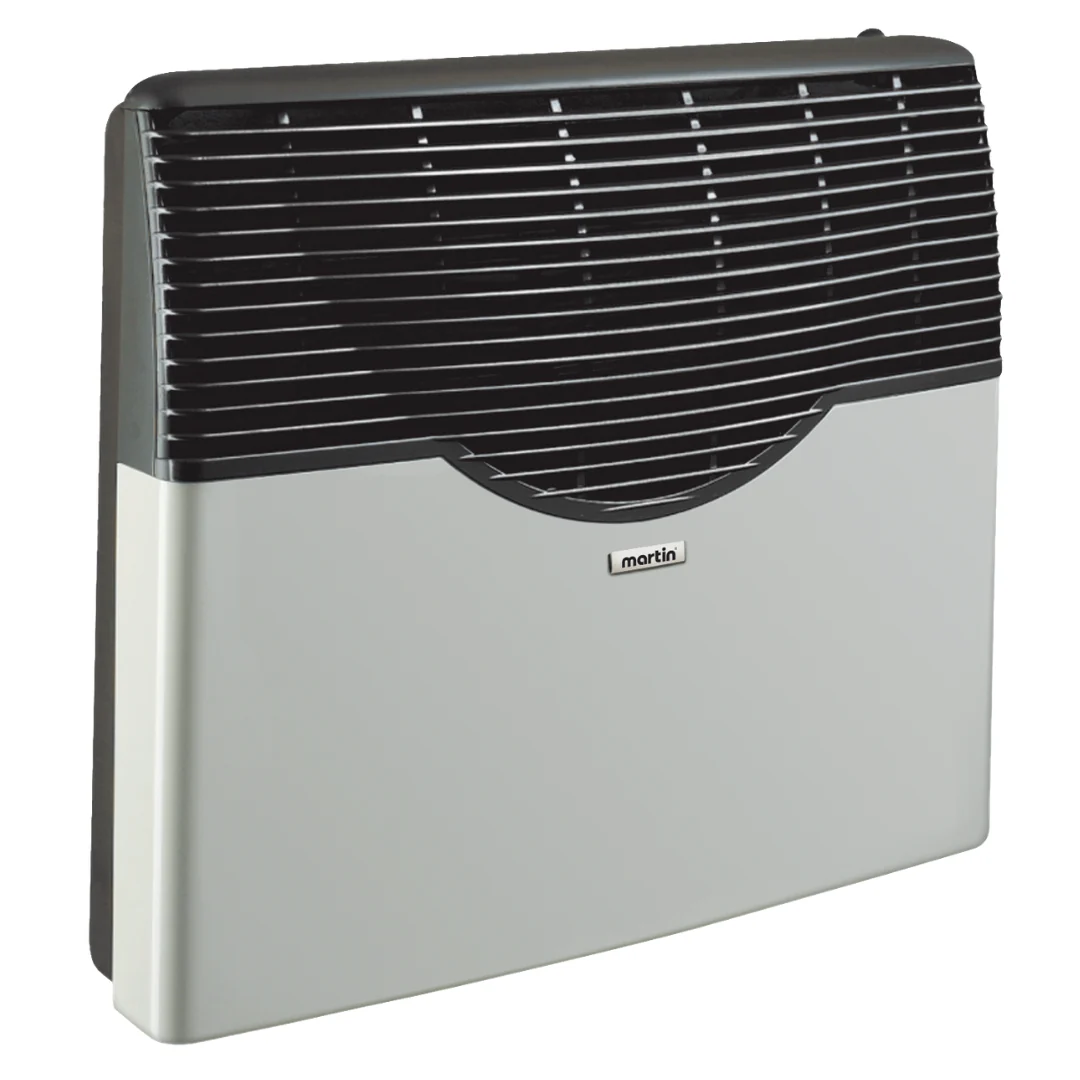
Martin's direct-vent system draws combustion air from outside and vents exhaust gases back outside through a sealed chamber, rather than drawing on or releasing anything into room air. This doesn't reduce the amount of propane burned for a given BTU output, but it does mean:

Installing a Martin direct-vent heater requires a licensed gas fitter and following the manufacturer's clearance and wall-thickness specifications. A few practical points for fuel planning:
At full, continuous output, the MDV8P (8,000 BTU) uses approximately 0.09 gallons per hour, the MDV12VP (11,000 BTU) uses approximately 0.12 gallons per hour, and the MDV20VP (20,000 BTU) uses approximately 0.22 gallons per hour. Actual daily usage is typically lower since the thermostat cycles the burner on and off rather than running it constantly.
It depends heavily on how often the heater actually runs versus sits idle on thermostat standby. Under typical cycling conditions for a properly sized heater, a 100-gallon tank can last several weeks. Running any of these units continuously at full output would empty a tank much faster, in roughly 1.5 to 4 weeks depending on model size.
Not necessarily. Fuel consumption is primarily a function of BTU output, not the venting method. The direct-vent design's main advantages are sealed combustion, which keeps indoor air clean, and the ability to install the unit without an electrical connection.
Using the built-in thermostat instead of running the heater at a fixed high setting has the biggest impact. Beyond that, improving insulation and sealing drafts around windows and doors reduces how often the burner needs to cycle on.
Understanding how much propane a direct-vent wall heater uses helps with both budgeting and making sure you have enough fuel on hand for the season. Martin's 8,000, 11,000, and 20,000 BTU models offer efficient, reliable warmth for both primary and supplemental heating, and actual fuel use will run well below full-output rates for most households thanks to thermostat cycling.
Browse the full Martin Heaters collection to compare models and find the right size for your space.
Have any questions or would like to place an order? We'd love to help. Chat with our friendly customer service team by calling 1-844-945-3625, chatting in on our website, or emailing us at customersupport@wildoaktrail.com. We look forward to hearing from you!

Comments will be approved before showing up.
Robin Slobogian
January 29, 2025
Thanks for the info. Nice article
20,000 BTU Heater: Approximately 0.92 gallons per hour.
Does this ussage refer to having heater on highest setting