Your Cart is Empty

Emptying your Nature's Head Composting Toilet is the part people worry about most — and it turns out to be the easiest part of owning one. The entire process takes about 10 minutes, it doesn't smell like you'd expect, and once you've done it once, it becomes routine.
Compare every model side by side in our composting toilets collection.
Here's the complete step-by-step process, including the urine bottle, the solids bin, and what to do with everything afterward.
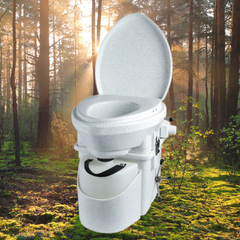
The Nature's Head solids bin handles approximately 60-80 uses. In practical terms:
The telltale sign: When the crank handle gets noticeably harder to turn, the bin is full. Don't force it — that's your signal to empty.
Pro tip: The longer the material sits and composts, the easier the emptying process. Fully decomposed material is lighter, drier, and more soil-like. Some boaters leave the solids bin over winter and empty in spring — by then it's practically potting soil.
The 2.2-gallon urine bottle fills at a different pace depending on usage:
The bottle is transparent, so you can see the fill level at a glance. Don't let it sit for extended periods — urine develops an ammonia smell after a few days.
Unlatch the two side latches that hold the upper bowl/seat assembly to the solids base. Lift the upper housing straight up and set it aside. Disconnect the vent hose from the fan if needed.
Slide the solids bin out from the toilet base. It's a self-contained unit with handles. Carry it to your disposal location.
Option A — Trash bag method (cleanest): If you lined the bin with a compostable bag at setup, simply lift the bag out, tie it closed, and place in an outdoor compost bin or trash. No scooping, no mess.
Option B — Direct dump: Turn the bin upside down over a compost pile, outdoor waste bag, or lined garbage bin. Tap the sides to release the contents. Use a trowel or stick to scrape any remaining material.
What it looks like: If the material has been composting for 3-4 weeks, it looks like dark, crumbly garden soil. It smells earthy — like a garden bed, not a bathroom. Most first-timers are surprised at how inoffensive it is.
Spray the inside of the bin with a 1:1 vinegar-water solution and wipe down. Rinse with a small amount of water if needed. Do not use bleach or harsh chemicals — they kill the beneficial microorganisms that power the composting process.
Safe cleaners: White vinegar, Simple Green, Dawn dish soap, or diaper detergent. All are composting-safe.
Add pre-hydrated coco coir to the clean bin, filling it about two-thirds full. If you use the trash bag liner method, place a new bag in first, then add the medium on top.
Slide the solids bin back into position. Lower the upper housing back onto the base, reconnect the vent hose, and latch the side clips. You're done.
This is the simpler of the two tasks:
Total time: about 30 seconds, plus the walk to the disposal point.
You have several options depending on your location:
For more on composting the material for garden use, see our guide to using compost in your garden.
Less than you'd expect. After 3-4 weeks of composting, the contents look and smell like damp garden soil — not recognizable as waste. Most people are genuinely surprised the first time. The urine bottle is the more "unpleasant" task, but it takes 30 seconds and a vinegar rinse.
Yes, if you're disposing in regular trash. Use a compostable bag only if you're adding the material to a secondary compost pile — a regular plastic bag won't break down.
The material will continue composting (and shrinking in volume) as long as conditions remain aerobic. Keep the fan running and don't add any liquid to the solids bin. Some users report going 6-8 weeks between empties without issues — the material just becomes more fully composted.
The trash bag method works anywhere. Line the bin with a compostable bag, lift it out when full, tie it off, and dispose in regular trash. No garden or compost pile needed. For the urine bottle, pour into a standard flush toilet.
Not if you use the bag liner method. Without a liner, some scraping may be needed to get the last bits out of the bin — a small trowel or stick works fine. A spray of vinegar-water solution handles cleanup.
Emptying a Nature's Head takes about 10 minutes total — the solids bin every 3-4 weeks and the urine bottle every 2 to 4 days. The material looks like garden soil, the process is straightforward, and once you've done it once, it becomes a non-event.
The bag liner method makes it even easier — no contact with composted material at all. Add fresh coco coir, reassemble, and you're good for another cycle.
For more on maintaining your system, check out our complete maintenance guide or browse Nature's Head Composting Toilets and accessories.
Questions about choosing or looking after a composting toilet? Call, text or chat with us at 1-844-945-3625, or email customersupport@wildoaktrail.com.
Get expert help with your composting toilet.

Comments will be approved before showing up.